
How to Present Data Clearly: Translate, Simplify, and Inspire Action
webinar 2602
How You’ll Benefit:
Learn how to translate complex data into clear, audience-friendly messages.
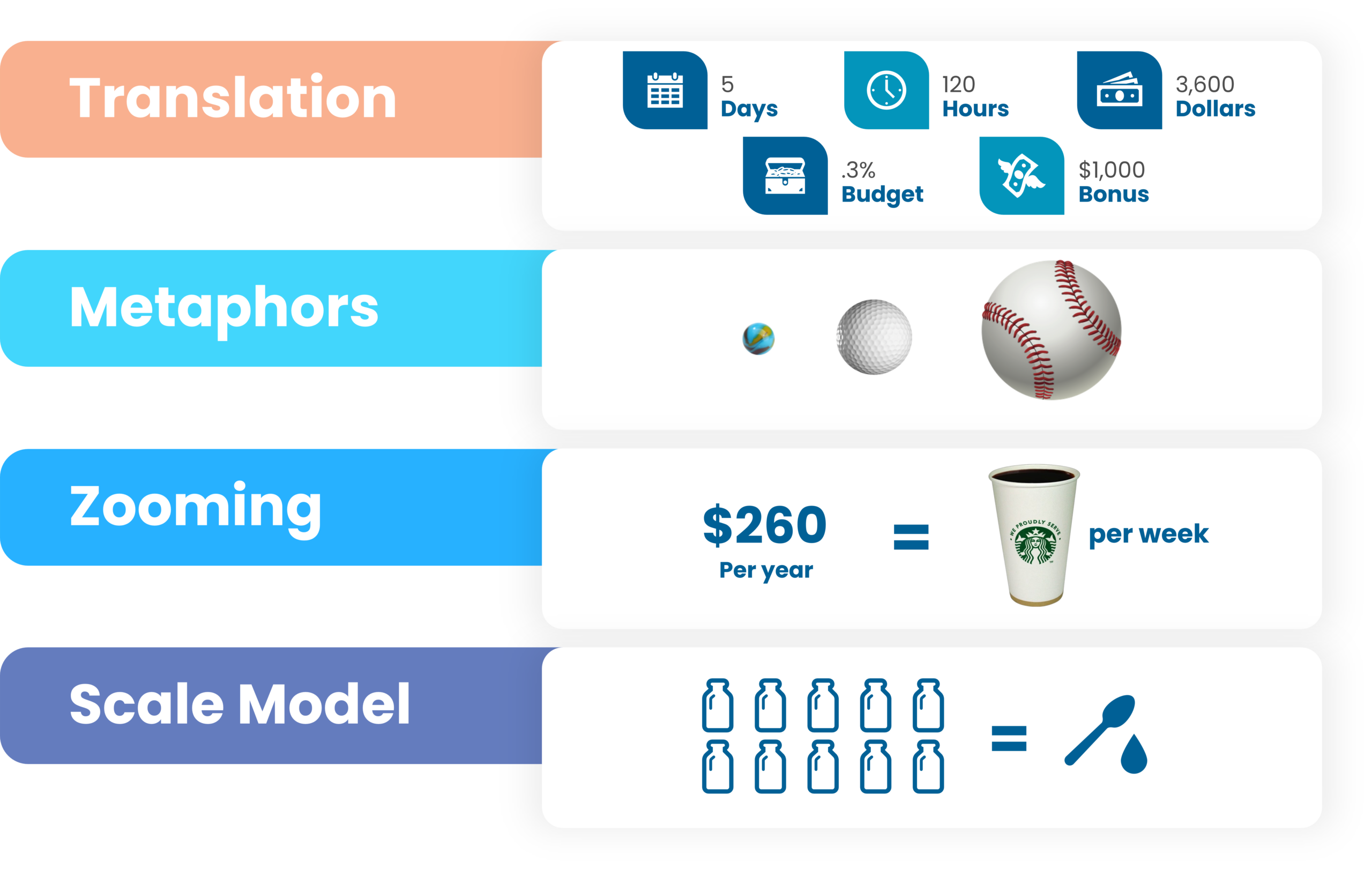
Discover four proven tools to make numbers memorable and relatable.
Communicate insights, not just numbers, to inspire action.
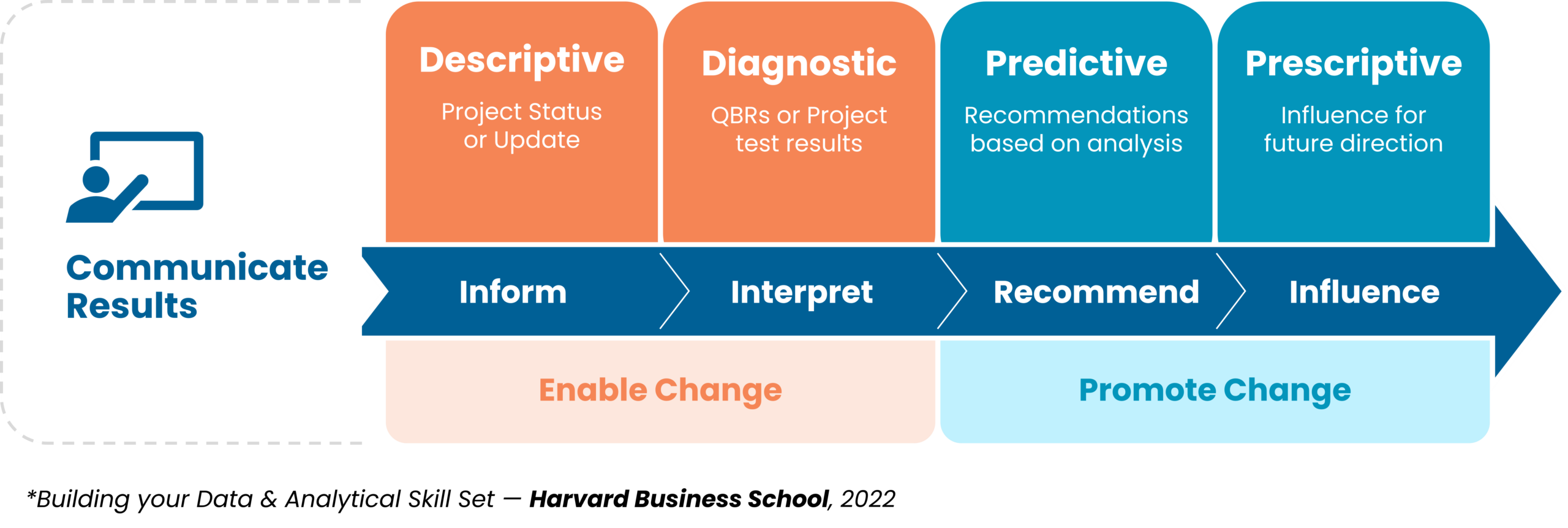
Select the right message model depending on the goal (inform, recommend, influence).
Build confidence in presenting data-driven stories that reduce confusion and engage stakeholders.
Who Should Attend:
For professionals who turn data into decisions — ideal for leaders, analysts, and project managers driving business action.
Concepts we’ll teach you (Objectives):
- How to analyze your data communication goal (inform, interpret, recommend, or influence).
- How to adapt to audience knowledge, priorities, and “data language.”
- How to use four tools to make numbers meaningful and engaging.
- How to structure data-driven presentations for clarity and action.
Program overview:
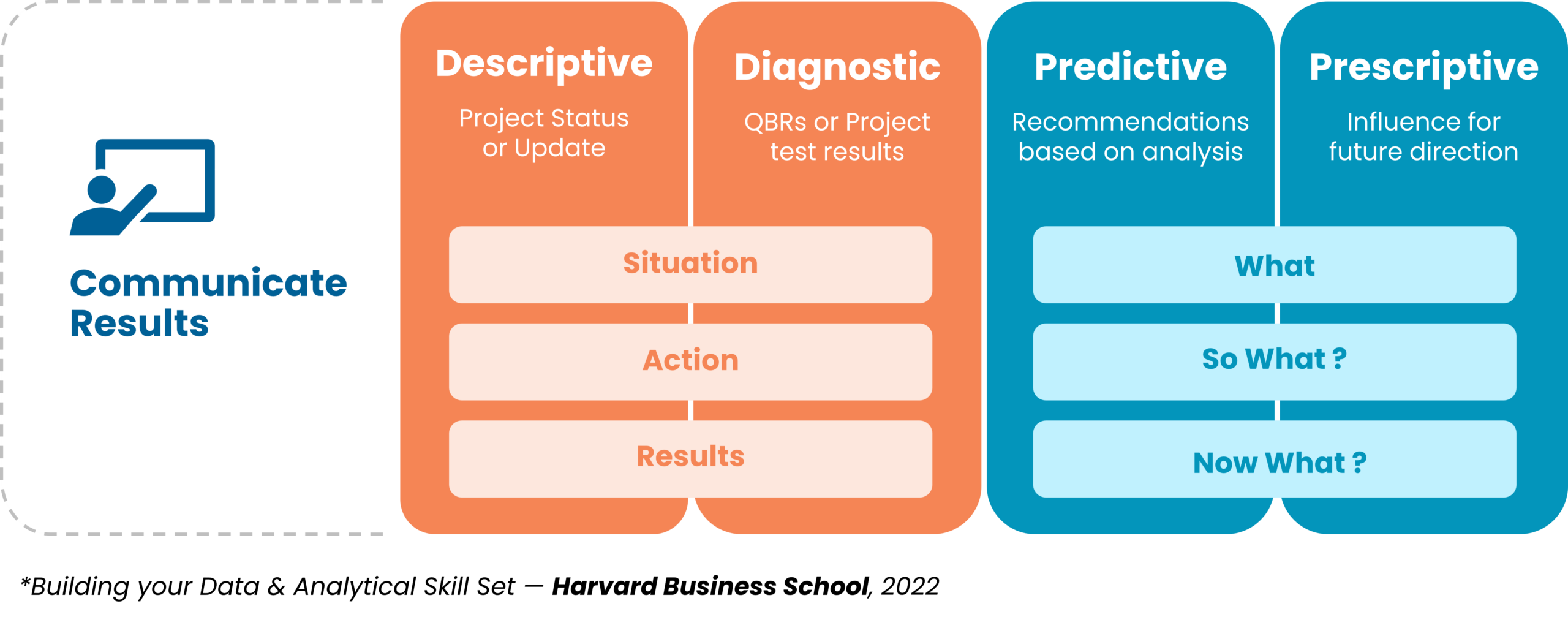
Data doesn’t speak for itself — it needs a storyteller. Too often, professionals overwhelm audiences with numbers instead of showing what the data means and why it matters. This webinar teaches participants how to translate data into clear, relatable, and engaging messages. Using tools like Translation, Metaphors, Zooming, and Scale Models, learners discover how to make numbers simple, memorable, and actionable. Participants also learn how to select from proven message structures such as Good–Bad–New, What–So What–Now What, SAR, and What–Why–How to align data stories with audience needs. By the end of the session, learners will be equipped to present data in a way that reduces confusion, builds understanding, and drives better decisions.
Tools You’ll Receive:
Translation – Convert numbers into familiar terms your audience understands.
Metaphors – Use comparisons to make abstract or technical data more memorable.
Zooming – Scale numbers up or down (e.g., yearly → daily) to make the impact relatable.
Scale Models – Represent large or abstract data sets with visual or practical analogies.
Message Structures – Frameworks such as Good–Bad–New, What–So What–Now What, SAR (Situation–Action–Result), and What–Why–How to organize and deliver clear data stories.
Agenda
Topic 1: Preparing Your Data Message – Define your goal and understand your audience.
Topic 2: Four Tools for Data Translation – Translation, Metaphors, Zooming, and Scale Models.
Topic 3: Applying Message Structures – Good–Bad–New, SAR, What–So What–Now What, What–Why–How.
Topic 6: Commitments and Next Steps – Apply the four tools to workplace presentations.
Delivery Format:
In-Person or Virtual
Duration & Structure:
7 hour
Up to 500 participants