
How to Handle Difficult Questions: Responding when Emotions are High
master class 2608
How You’ll Benefit:
- Gain confidence in responding to aggressive or emotionally charged questions.
- Learn how to uncover the intent behind objections and address them effectively.
- Develop strategies to defuse tension and keep control of difficult conversations.
- Use a proven empathy–transition–response framework to maintain credibility.
- Strengthen their ability to think strategically, not emotionally, when under pressure.
Who Should Attend:
- Rising leaders and mid-level managers presenting ideas to executives and teams.
- Project managers and engineers addressing concerns about projects, timelines, or resources.
- Finance and operations professionals handling tough questions about budgets or data.
- Sales and client-facing professionals managing objections and customer challenges.
- Executives and subject matter experts maintaining composure and influence in critical discussions.
Program Overview:
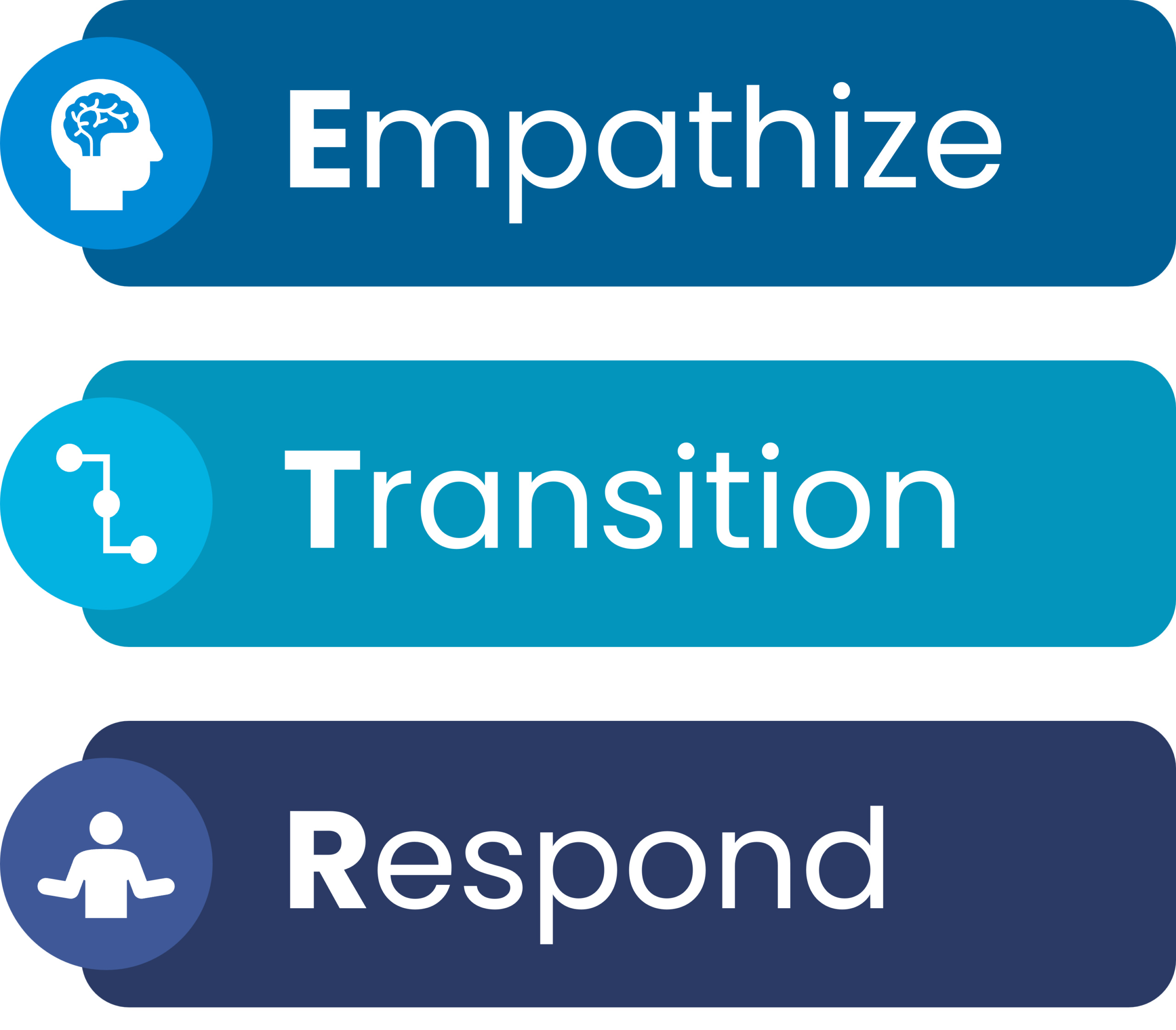
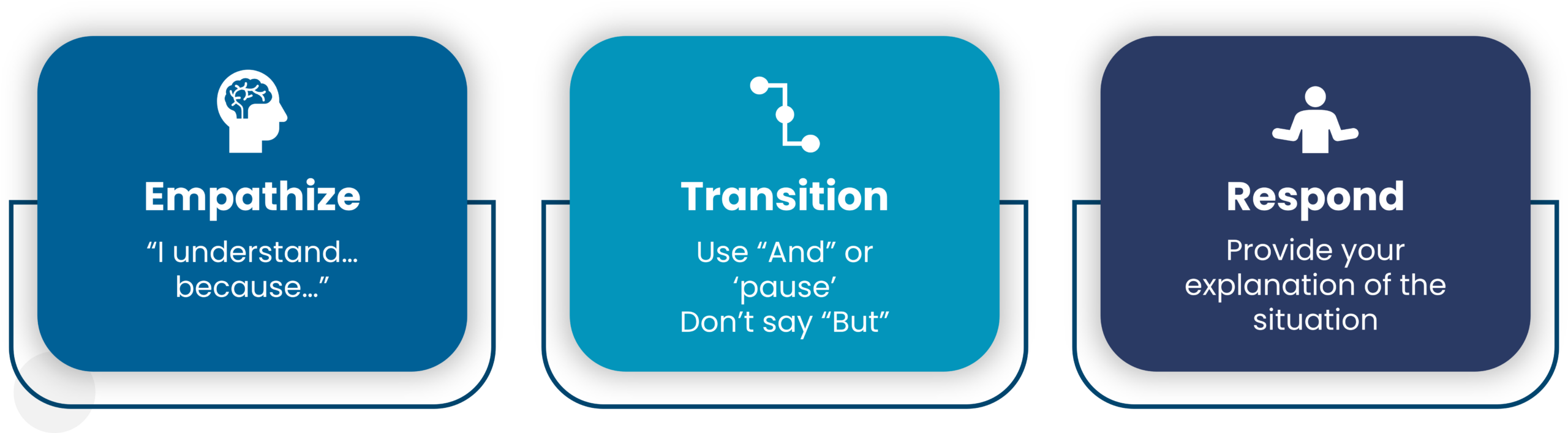
Aggressive or challenging questions are a part of business life. How you respond in those moments can either build or break credibility. This workshop equips participants with the skills to stay calm, think clearly, and respond with confidence when faced with objections, emotionally charged questions, or audience pushback. Using practical tools like the Responsive Acknowledgment Formula (Empathize–Transition–Respond), learners will practice techniques to diffuse tension, maintain control, and reframe tough questions as opportunities to build trust. By the end of the program, participants will be prepared to handle difficult situations with professionalism, clarity, and influence.

Tools You’ll Receive:
Responsive Acknowledgment Formula – Empathize, Transition, and Respond without defensiveness.
Empathy Statements – Show you are listening and value the other person’s perspective.
Transition Techniques – Use “and” or purposeful pauses instead of negating language.
Strategic Response Options – Ask clarifying questions or provide big-picture context.
Managing Emotional Triggers – Slow down to think strategically rather than reacting emotionally.
Concepts we’ll teach you (Objectives):
- Why people raise objections and how to uncover their true intent.
- How to remain calm, credible, and professional when faced with aggressive questions.
- How to apply the empathy–transition–response tool in real business situations.
- How to shift from emotional reactions to strategic, thoughtful communication.
- How to use tough questions as opportunities to strengthen trust and influence.
Activities:
Objection Analysis: Explore why people raise aggressive questions.
Emotional Triggers Exercise: Identify personal hot buttons and practice managing responses.
Responsive Acknowledgment Practice: Apply Empathize–Transition–Respond framework.
Transition Language Drill: Replace defensive words with positive framing.
Role Play Scenarios: Practice responding to aggressive or emotionally charged questions.
Group Feedback: Evaluate responses and refine strategies.
Agenda
Topic 1: Introduction – Why Q&A moments matter for credibility.
Topic 2: Why People Raise Objections – Understanding audience intent.
Topic 3: Don’t Get Emotional, Get Strategic – Shifting from reaction to response.
Topic 4: Responding to Tough Questions – Using the Responsive Acknowledgment Formula.
Topic 5: Group Exercises – Practicing responses to aggressive questions.
Topic 6: Reflection and Application – Identifying strengths and opportunities for improvement.
Topic 7: Summary and Commitments – Building a personal plan for real-world implementation.
Delivery Format:
- Virtual
Duration & Structure:
- 2 hours
- 30 participants
Targeted Reinforcement:
- Short Cut Card (Included)
- Quick reference guide of the tools and tips learned in class.
- iSpeak U Tool Library (Included)
- Access to the iSpeak U library with tools and examples.
- AI iSpeak Coach for 30 days (Additional Charge)
- Scenario 1: Anticipating Team Pushback: Prepare for tough questions and resistance by discussing a planned change with a trusted colleague. Use the 3-step conversation tool to explore likely objections and uncover what’s driving hesitation.
- Scenario 2: Handling a Heated Accusation: Practice using the ETR model to respond calmly and constructively when a frustrated colleague accuses you of taking credit for their work. Focus on defusing tension and rebuilding trust.