
Data-Telling: How to Make Your Data More Engaging and Relatable
master class 2602
How You’ll Benefit:
- Present complex data in a way that is clear, relatable, and memorable.
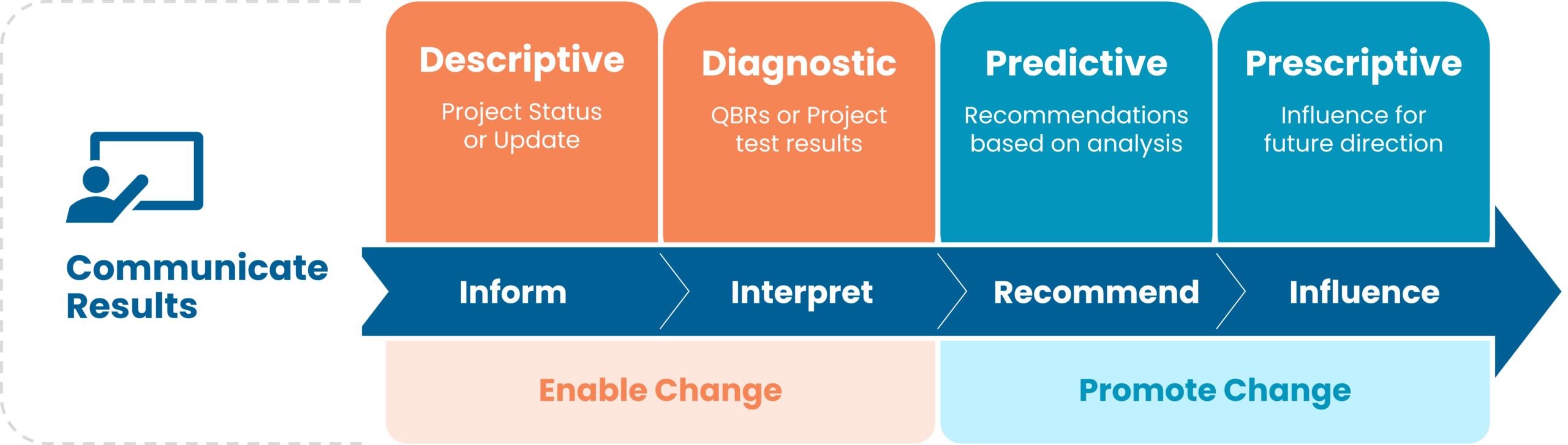
- Choose the right messaging model to inform, interpret, recommend, or influence.
- Translate raw numbers into insights that resonate with business audiences.
- Use practical tools (conversion, metaphors, zooming, scale models) to simplify complexity.
- Build data-driven messages that drive understanding, alignment, and action.
Who Should Attend:
- Engineers and technical specialists who must explain results to non-technical audiences.
- Project managers presenting data updates, performance reports, or recommendations.
- Rising leaders and mid-level managers who influence business decisions with data.
- Sales and marketing professionals who use analytics to recommend strategies.
- Finance professionals who translate numbers into clear business implications.
Program Overview:
In today’s data-driven workplace, numbers alone rarely inspire action. The ability to transform data into a clear and compelling story is what drives decisions. This workshop equips professionals with the skills to move beyond “data dumps” and instead create messages that resonate with both technical and non-technical audiences. Participants learn how to set clear goals for their data message, analyze their audience, and select structures that inform, interpret, recommend, or influence. They will also practice practical tools to simplify complexity, build understanding, and make data meaningful. The result: professionals who can deliver data-driven messages with confidence, clarity, and impact.
Tools You’ll Receive:
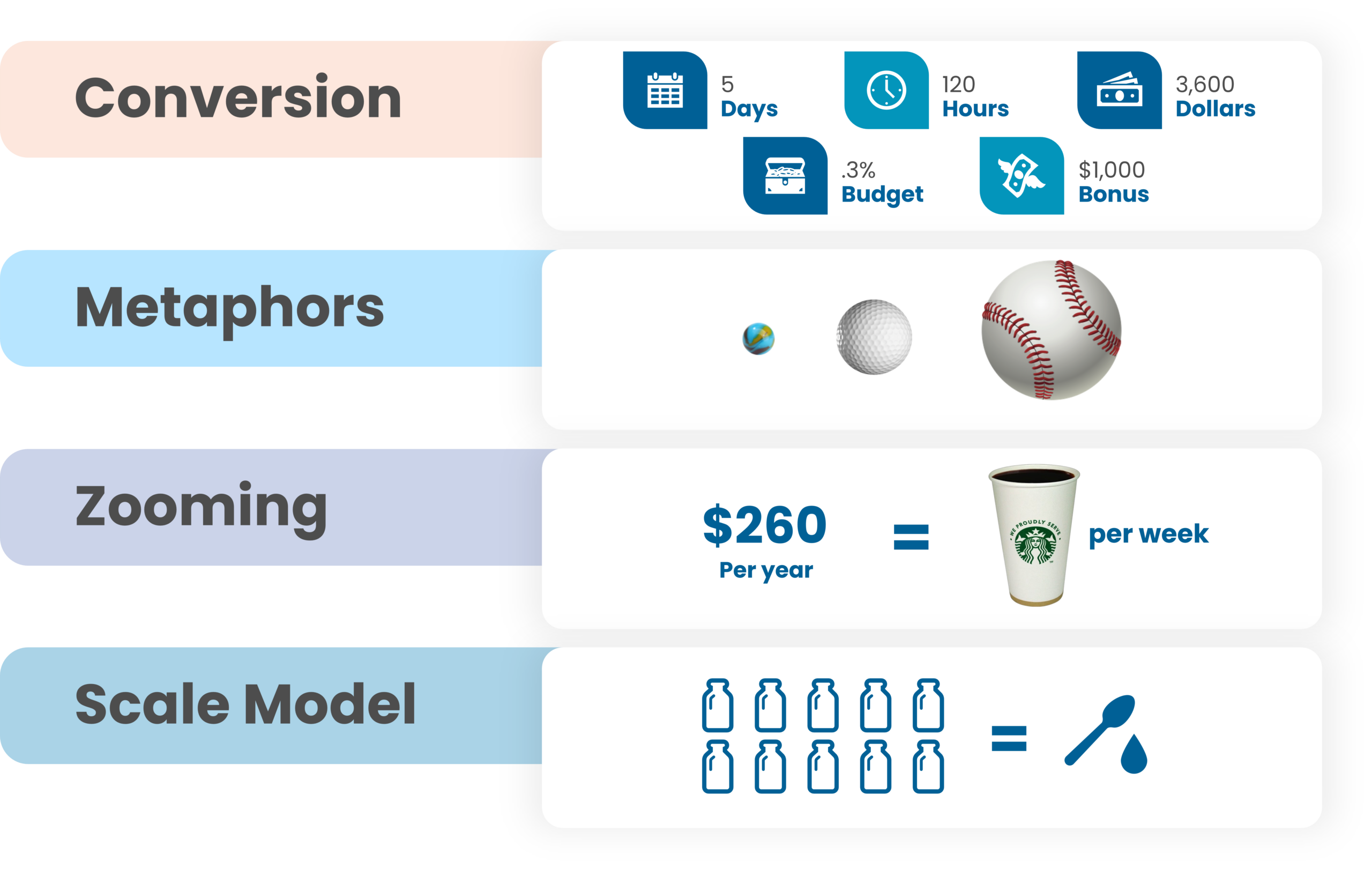
Simple Conversion – Translate numbers into relatable units your audience understands.
Metaphors – Use analogies to make complex data easier to grasp.
Zooming – Reframe data by zooming in or out to highlight impact.
Scale Models – Compare big numbers to familiar objects or timelines for clarity.
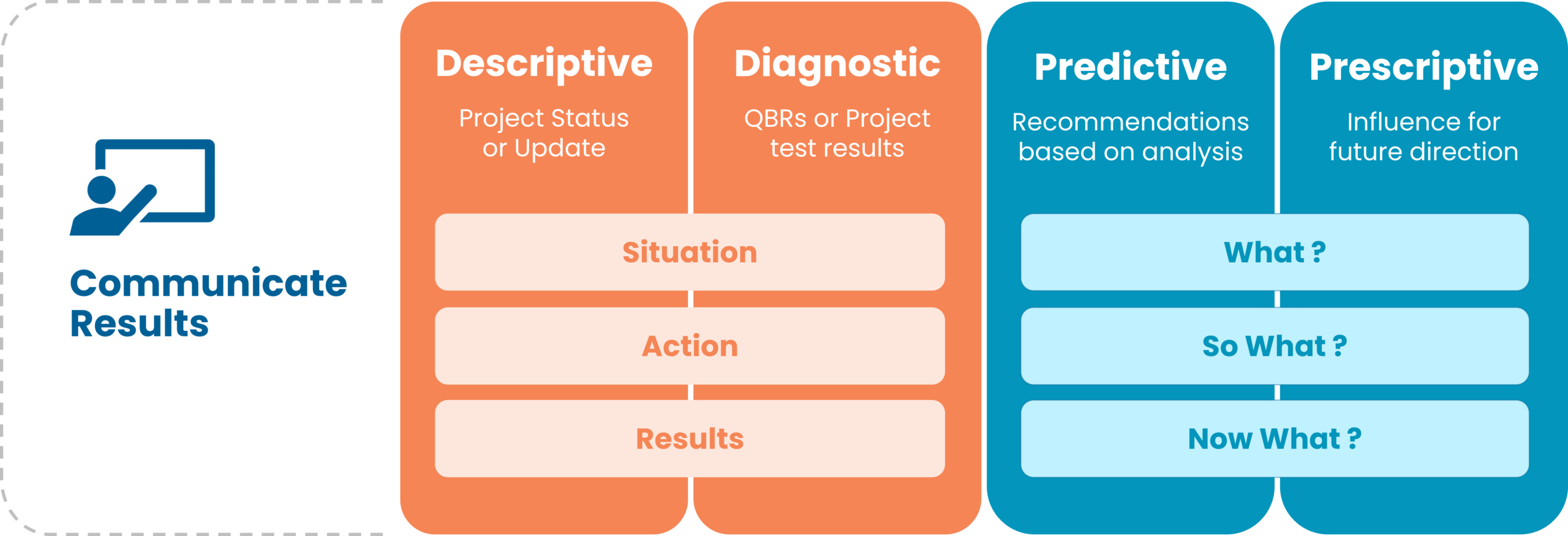
Data Messaging Models – Apply structured frameworks (e.g., Situation–Action–Results or What–So What–Now What) to align with your goal.
Concepts we’ll teach you (Objectives):
- How to set a clear goal for your data message (inform, interpret, recommend, influence).
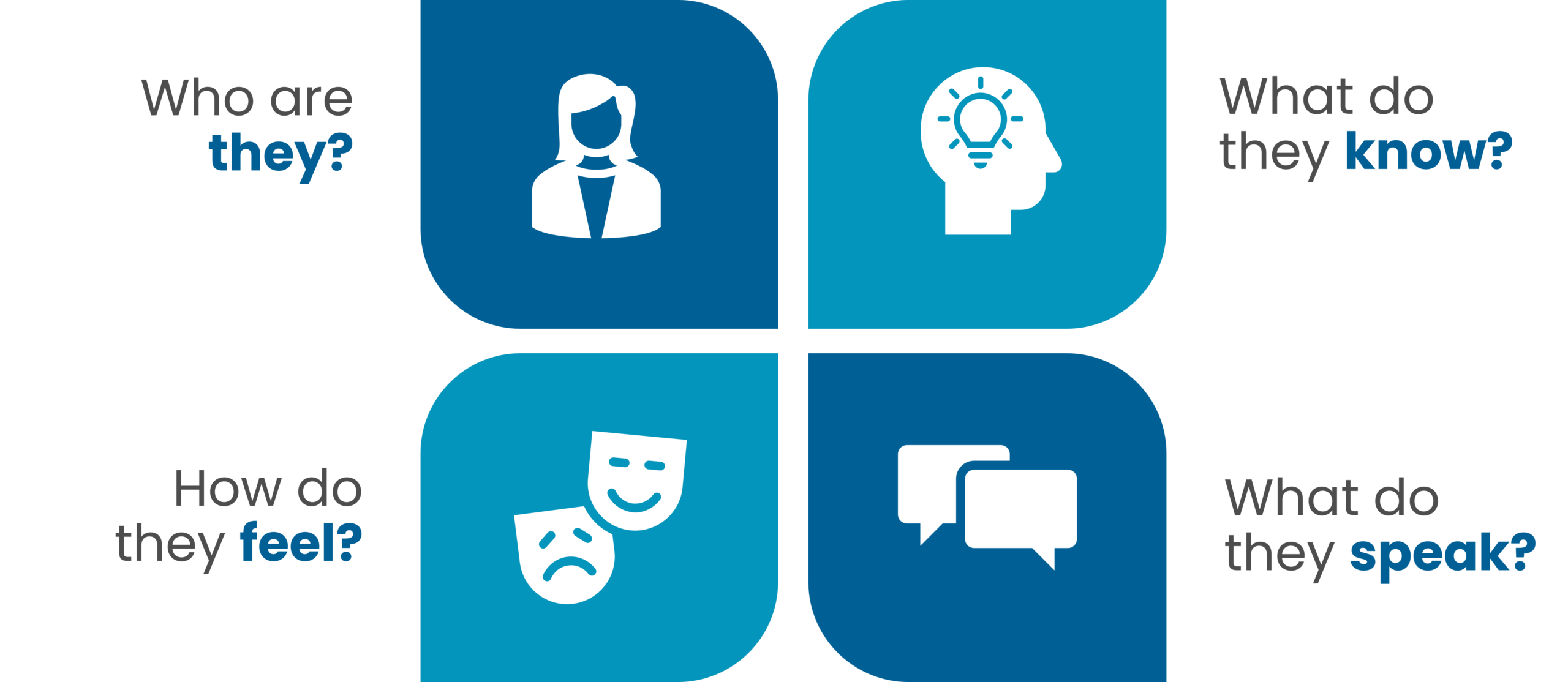
- How to analyze your audience and adapt your message to their “data language.”
- How to use conversion and impact tools to make data relatable.
- How to select the right messaging structure for your objective.
- How to evaluate and refine your data message for clarity and impact.
Activities:
Data-to-Message Practice: Take raw data and convert it into a business insight.
Headline Creation Exercise: Write headlines that summarize data-driven messages.
Story Arc Mapping: Apply storytelling structure to data presentations.
Visualization Practice: Choose the right chart/graph and redesign slides for clarity.
Peer Review: Present data stories and receive feedback.
Agenda
- Topic 1: Challenges with Data Presentations – Why data alone often fails to connect.
- Topic 2: Know Your Goal – Define whether you are informing, interpreting, recommending, or influencing.
- Topic 3: Know Your Audience – Analyze what they know, feel, and understand about your data.
- Topic 4: Conversion and Impact Tools – Learn how to simplify and humanize data.
- Topic 5: Data Messaging Models – Apply structured frameworks for clarity and persuasion.
- Topic 6: Practice Application – Create and deliver your data message using the tools and models.
- Topic 7: Evaluate and Refine – Reflect, receive feedback, and strengthen delivery.
Delivery Format:
- Virtual
Duration & Structure:
- 2 hours
- 30 participants
Targeted Reinforcement:
- Short Cut Card (Included)
- Quick reference guide of the tools and tips learned in class.
- iSpeak U Tool Library (Included)
- Access to the iSpeak U library with tools and examples.
- AI iSpeak Coach for 30 days (Additional Charge)
- Scenario 1: Presenting Project Success to a Diverse Audience: Practice using the Situation-Action-Result (SAR) model to present project outcomes clearly and persuasively, using translation tools to make complex data relatable to all audience members.
- Scenario 2: Influencing Leadership for Safety Improvements: Practice using the What-So What-Now What model to present a safety solution clearly and persuasively, using translation tools to engage leadership and drive action.