Building Trust Through Better Conversations
master class 2604
How You’ll Benefit:
- Build trust and rapport more quickly through meaningful conversations.
- Move beyond small talk to deeper, more productive dialogue.
- Create a safe, empathetic, and engaging environment for conversations.
- Use questioning strategies that show interest, foster respect, and strengthen relationships.
- Apply a simple 3-step conversation tool to increase likability and influence.
Who Should Attend:
- Project managers leading cross-functional teams.
- Engineers and technical professionals who must collaborate beyond their immediate groups.
- Rising leaders and mid-level managers seeking to grow influence and credibility.
- Sales and client-facing professionals who build trust with customers.
- Finance and operations leaders who work across departments to align on goals.
Program Overview:
Strong business relationships are built on trust, and trust begins with quality conversations. This workshop gives professionals the tools to move beyond surface-level interactions and create meaningful dialogue that fosters rapport, respect, and collaboration. Participants learn how to recognize barriers to trust, ask powerful open-ended questions, and apply the three levels of conversation to deepen connections. Through practical tools like the 3-step conversation model, they will practice showing empathy, creating safety, and demonstrating genuine interest—skills that help them become more influential, respected, and trusted in the workplace.
Tools You’ll Receive:
Question Types – Open, closed, and alternative-choice questions and when to use them.
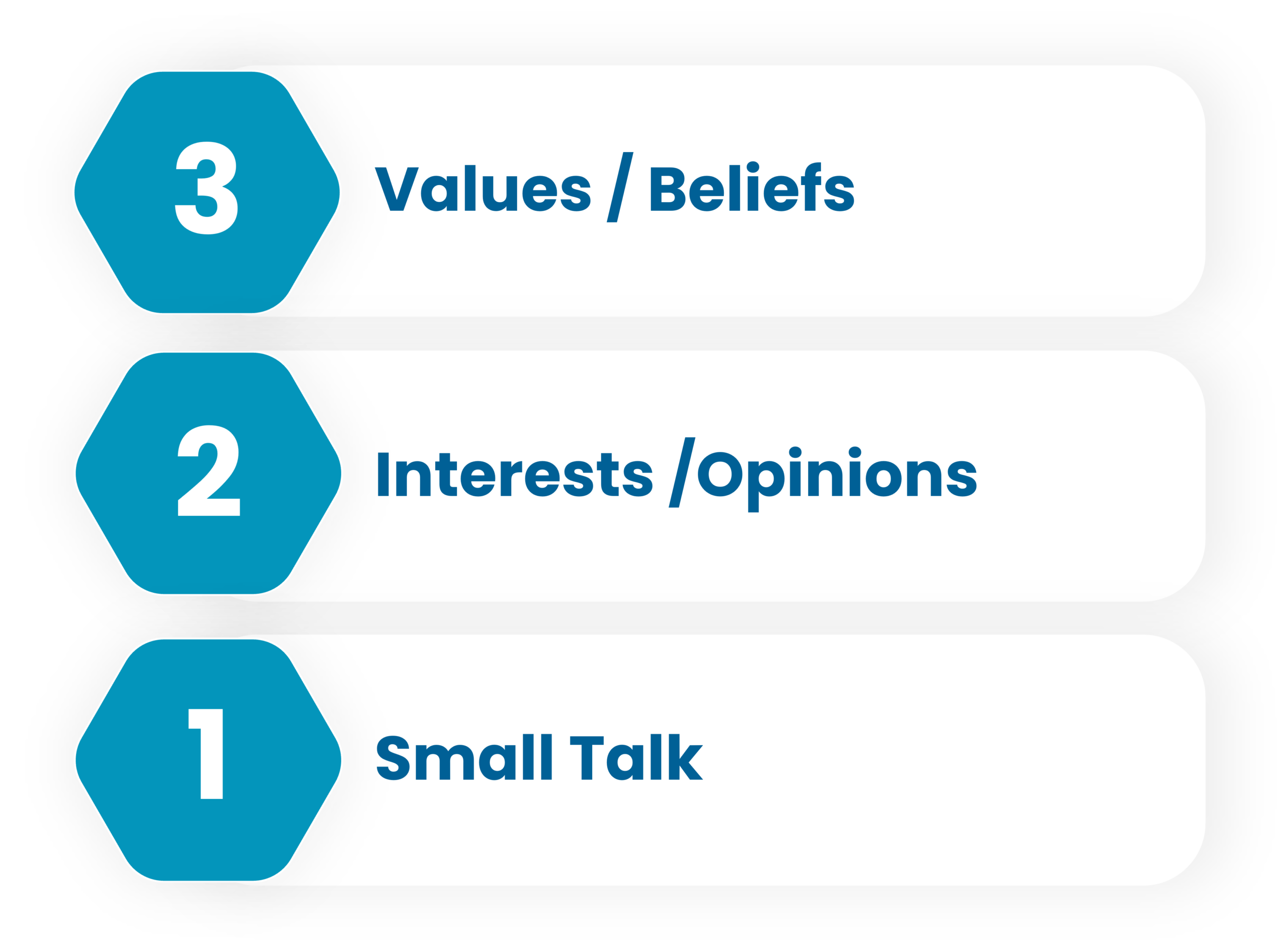
Three Levels of Conversation – Move from small talk, to interests/opinions, to values/beliefs for deeper trust.
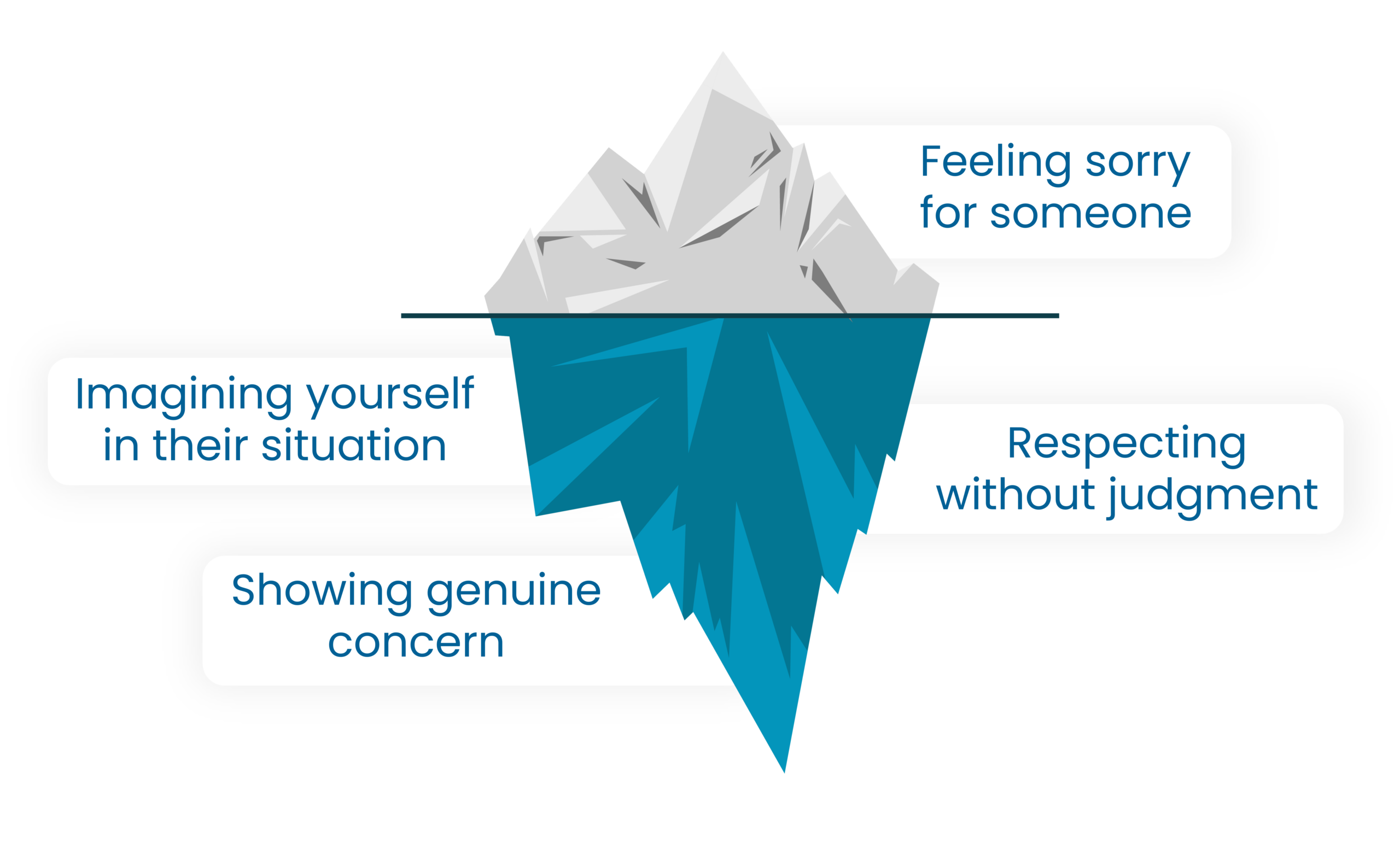
Building a Conversation Environment – Use empathy, safety, and interest to create meaningful dialogue.
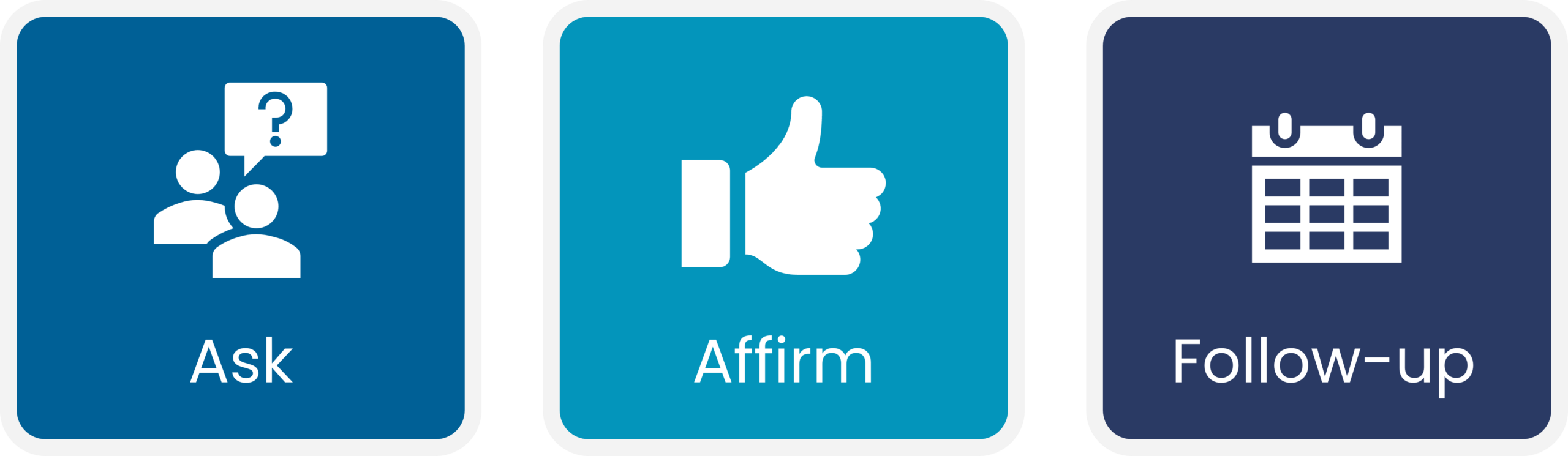
3-Step Conversation Tool (Ask–Affirm–Follow-Up) – A practical method to show care, deepen conversations, and build trust.
Concepts we’ll teach you (Objectives):
- How to identify and overcome barriers that prevent trust.
- How to create an environment of safety, empathy, and interest.
- How to structure conversations that strengthen relationships.
- How to use open-ended and follow-up questions to build rapport.
- How to practice and apply tools to develop trust in real business interactions.
Activities:
Question Type Drill: Practice open, closed, and alternative choice questions.
Three Levels of Conversation: Move from small talk to deeper values-based dialogue.
Environment Builder: Exercises to demonstrate empathy, create safety, and show interest.
3-Step Conversation Tool Practice: Apply Ask–Affirm–Follow-Up model in role plays.
ISE Activities: Engage in personal and business conversation scenarios to practice trust-building.
Agenda
Topic 1: Introduction to Trust and Conversations – Why conversations matter in building strong relationships.
Topic 2: Question Types – Open, closed, and alternative choice questions.
Topic 3: Three Levels of Conversation – From small talk to values-based discussions.
Topic 4: Building a Conversation Environment – Empathy, safety, and interest.
Topic 5: The 3-Step Conversation Tool – Ask, affirm, and follow-up.
Topic 6: Practice Exercises – Personal and business conversations (ISE activities).
Topic 7: Reflection and Application – Identify personal takeaways and action steps.
Topic 8: Implement to Improve – Commit to applying tools for continuous improvement.
Delivery Format:
- Virtual
Duration & Structure:
- 2 hours
- 30 participants
Targeted Reinforcement:
- Short Cut Card (Included)
- Quick reference guide of the tools and tips learned in class.
- iSpeak U Tool Library (Included)
- Access to the iSpeak U library with tools and examples.
- AI iSpeak Coach for 30 days (Additional Charge)
- Scenario 1: Building Trust Through Quality Conversations: Practice using the Ask-Affirm-Follow-Up model to build trust and establish a strong working relationship with a new team member.
- Scenario 2: Building Trust with a New Client: Practice using the Ask-Affirm-Follow-Up model to rebuild trust and establish rapport with a hesitant client by guiding the conversation from small talk to meaningful dialogue.